We’re searching for our next Artists-in-Residence!
〰️
We’re searching for our next Artists-in-Residence! 〰️
To learn more about our 2026-2027 Graphic Medicine Artists-in-Residence application process, click here.
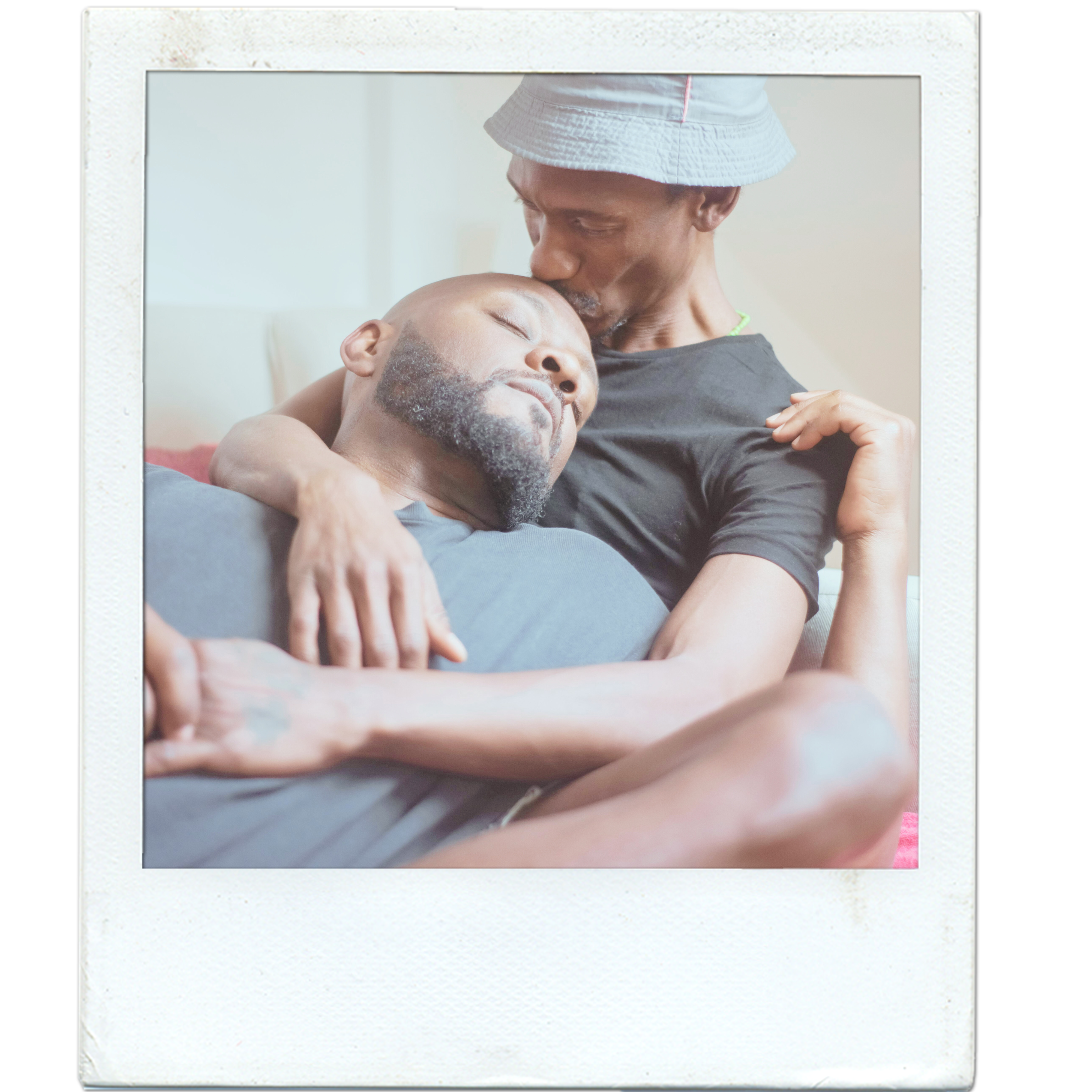
Graphic Medicine: A Sexual Health Education Intervention
In many places across the U.S., sexual health and reproductive justice remain sensitive and sometimes dangerous topics (Tohit & Haque, 2024). Open communication about and access to factual information on sexual health–including issues of consent and harm, prevention and treatment, relationships and intimacy, sex characteristics, bodies and lifespan development–is limited, and, increasingly the target of censorship in schools, local communities, and online.
Given this, it is perhaps no surprise that youth and adults alike are turning to virtual communities, chat-bots, vlogs, and social media apps for information about bodies, sex, and relationships. But, the problems with accessing safe, reliable, and accurate sexual health information online are growing by the day. In search of critically necessary information, people may be exposed instead to mis- and disinformation, pornography, cyberbullying, grooming/predatory targeting, and other types of harmful content that feed misconceptions, and fears, about sexuality, health, and relationships. With the rapidly changing algorithmic and artificial intelligence landscape, finding reliable, medically-accurate, and real (e.g. not artificially created) sexual health information is increasingly difficult. The World Health Organization termed this new era the infodemic, writing, in 2020 about “an overabundance of information and the rapid spread of misleading or fabricated news, images, and videos. Like the virus, it is highly contagious and grows exponentially.”
Since 2020, new political agendas have increasingly simplified the process and extent of content manipulation and fabrication online, making too much of the sexual health information found online inconsistent, hard to evaluate, or not designed for real-time decision-making. Troublingly, the targeted marketing of sexual health misinformation disproportionately harms young girls, PoGM, LGBTQIA+ folks, and disabled people.
It is therefore crucial that we figure out effective ways to develop inclusive sexual health education that people want to engage with, figure out how to best reach them where they are, and center evidence-based behavioral change theories in our work.
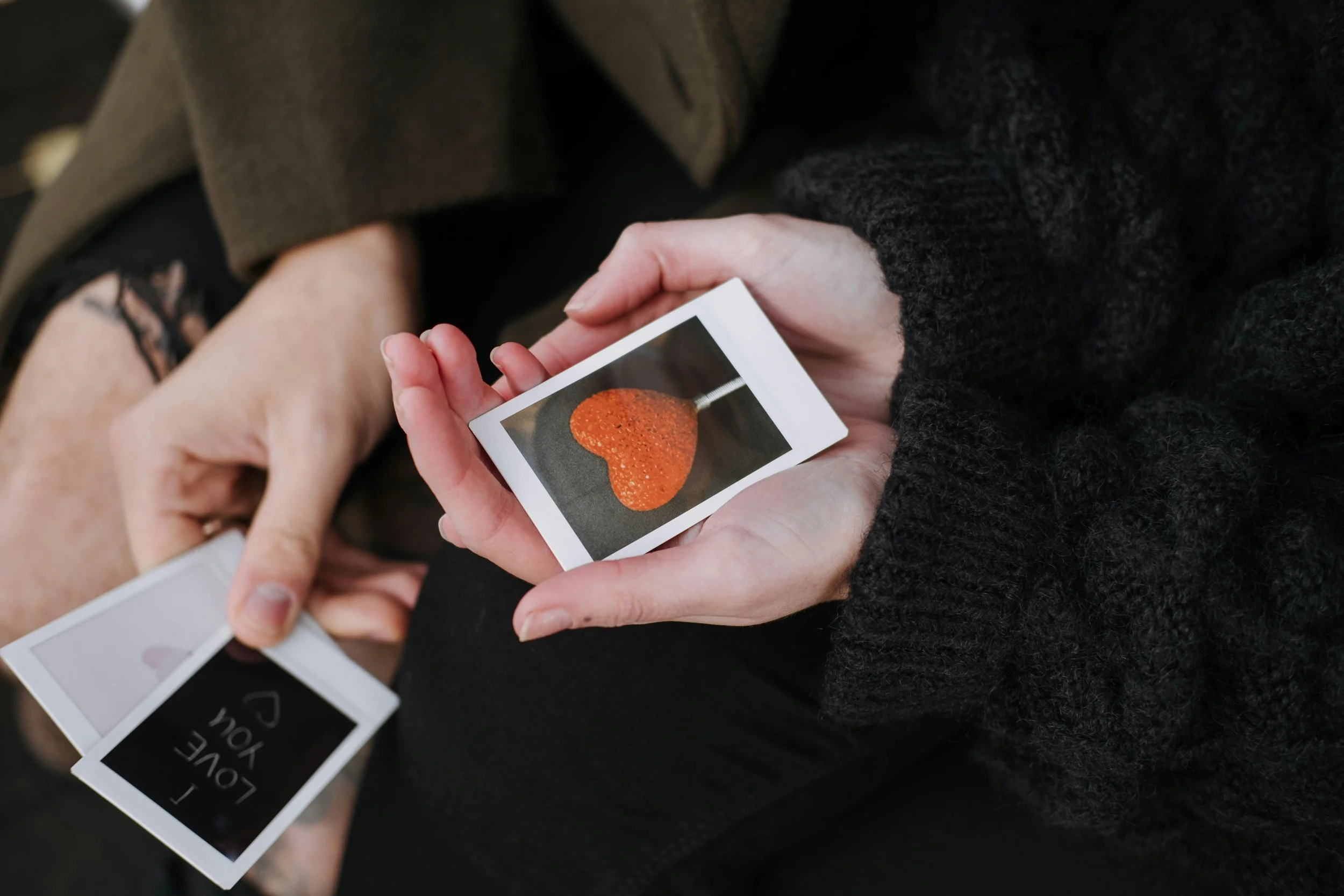

This project proposes to create, test, and refine graphic medicine storytelling and visual narrative strategies for LGBTQIA+ sexual health and well-being in the hopes of: 1) increasing health literacy, decreasing mis- and disinformation, and empowering individual LGBTQIA+ people (systems impact: values and mental models, power dynamics; transformative and relational change); 2) disrupting stigmatizing and violent narratives, and shifting dominant cultural frames about LGBTQIA+ people, relationships, and lives (systems impact: values and mental models, power dynamics, relationships and connections; transformative and relational change); and 3) transforming LGBTQIA+ sexual health practices and policies by acting as evidence for change (systems impact: structural change). This intervention requires fewer institutional and organizational resources to deliver than most others, and is fundamentally grounded in both theory and practice, bringing together health practitioners, advocates, researchers, service reformers, and learners to achieve its goals.
More specifically, in Aim 1 of the project, graphic artists will follow the Qualitative Comic Book Mapping approach (developed by Logie et al., 2023) to a) conduct thematic analyses of existing qualitative data and identify overarching themes in close coordination with the project’s Research Director and Community Partner Leads; b) align qualitative themes with theories of change for sexual health education and stigma reduction; and c) co-develop short-form (1-3 page), interactive, digital comics with community partners, pairing theory with lived experience.
Then, in Aim 2, there will be two levels of assessment for the comics as an intervention: organizational/ provider-level and individual/community-member level. At the organizational level, a key representative from a community-based and/or health providing organization will be asked to complete a 60-90 minute in-depth interview, using the 21 questions of the Planning Phase RE-AIM and PRISM Assessments as a guide. PRISM (Practical Robust Implementation and Sustainability Model) is a context-based implementation science framework that incorporates RE-AIM outcomes (Reach, Effectiveness, Adoption, Implementation, Maintenance), offering guidance to researchers, practitioners, and their patient and community partners on how to conceptualize, assess, and address the contextual domains of implementation research, with a focus on health equity. At the individual level, community members/users at the organizational sites will be recruited to review, interact with, and evaluate the comics.


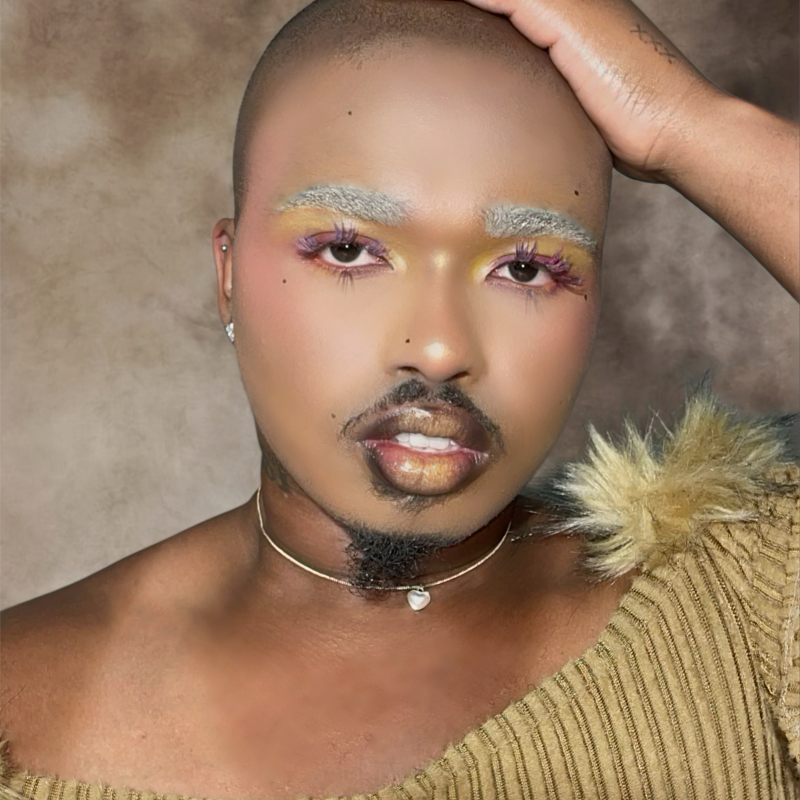
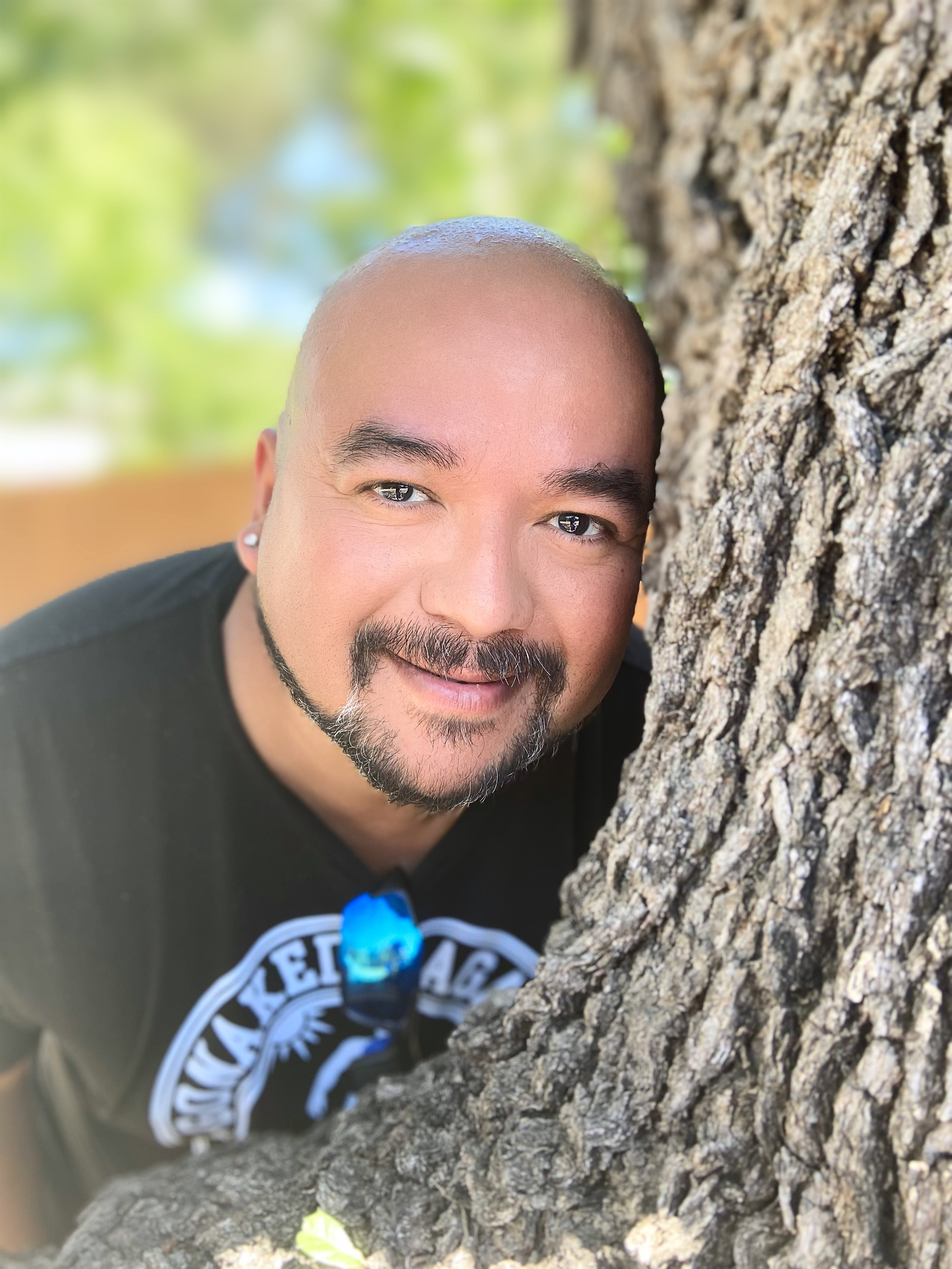
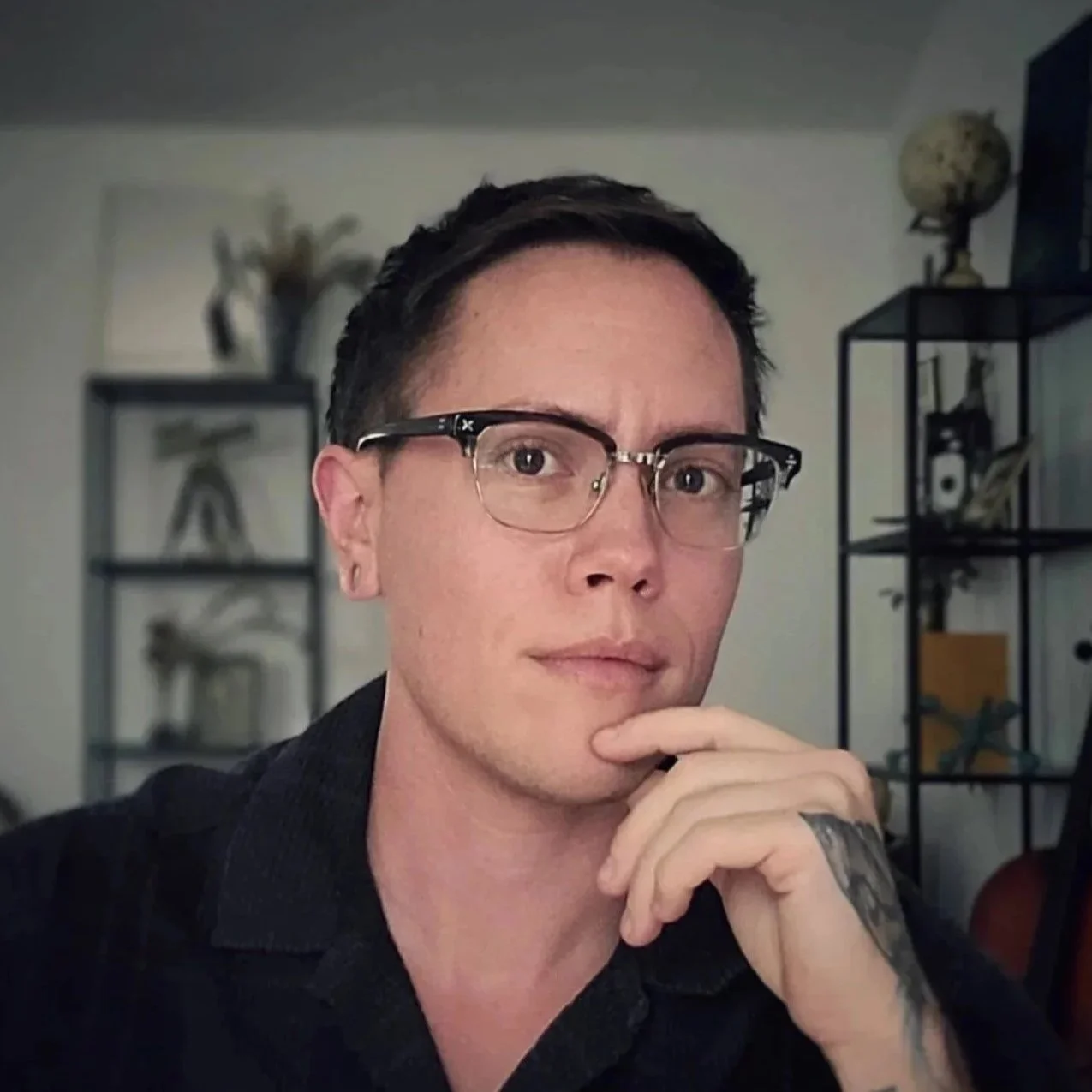
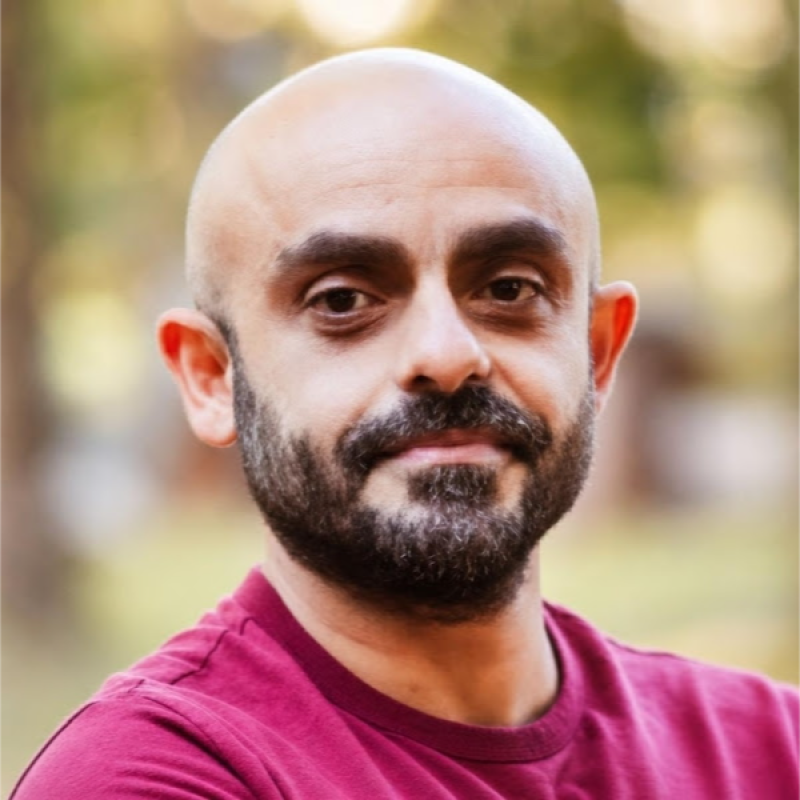
Meet the Team
-
![]()
Joshua Baker (he/him)
Community Engagement Manager
-
![]()
Bria Brown-King (they/she)
Associate Executive Director
-
![]()
Andrés Cordero, Jr. (he; they; él)
Sex educator, embodiment coach, and certified sexologist
-
![]()
Ethan Coston (they/he)
Associate Professor and Acting Director
Sexploration
-
![]()
T.J. Jourian (he/him)
Coach, consultant, and author
-
![]()
Divine Rae (They/Them/God)
Priest of Pleasure, educator, guide, and Founder
-
![]()
Apollo Robert (he/him)
Youth Program Manager
-
![]()
Imoni Williams (she/her)
Director of Research & Development
Sexploration
-
![]()
Lisa Winchell-Caldwell (she/her)